Team 7
Molecular biology of
neuronal transport
Improving Gene Therapy Delivery and Nuclear Transport Control in MeCP2-Related Disorders
Mutations or duplications of the MeCP2 gene cause Rett syndrome and MeCP2 Duplication Syndrome. Gene replacement strategies show promise in mouse models, but their efficacy is limited by the poor permeability of the blood-brain barrier to viral vectors, and current alternatives are hard to translate safely to the clinic.
To overcome this, we use focused ultrasound combined with circulating microbubbles to temporarily open the blood-brain barrier, allowing a much larger number of brain cells to be reached by AAV-driven gene therapies.
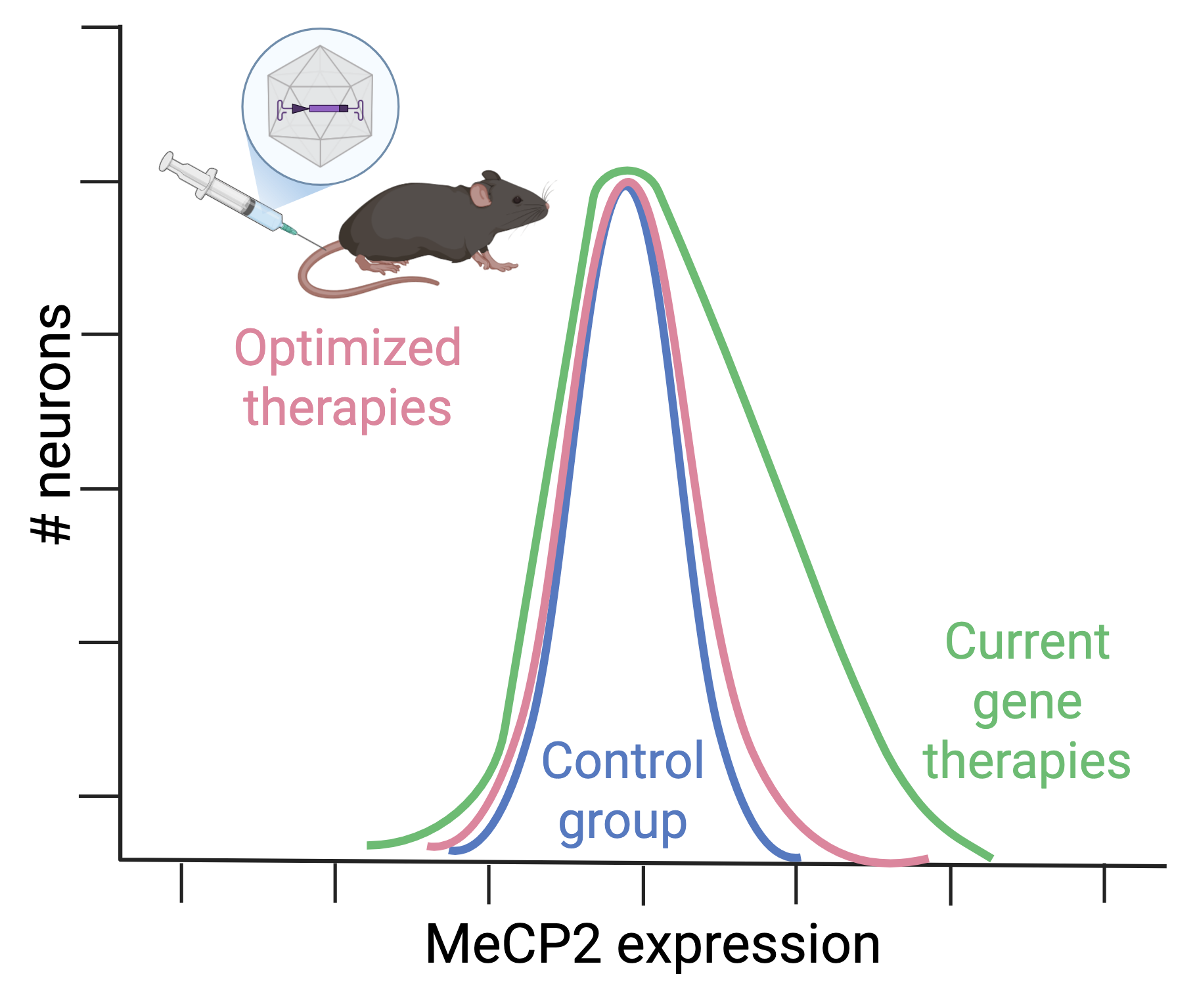
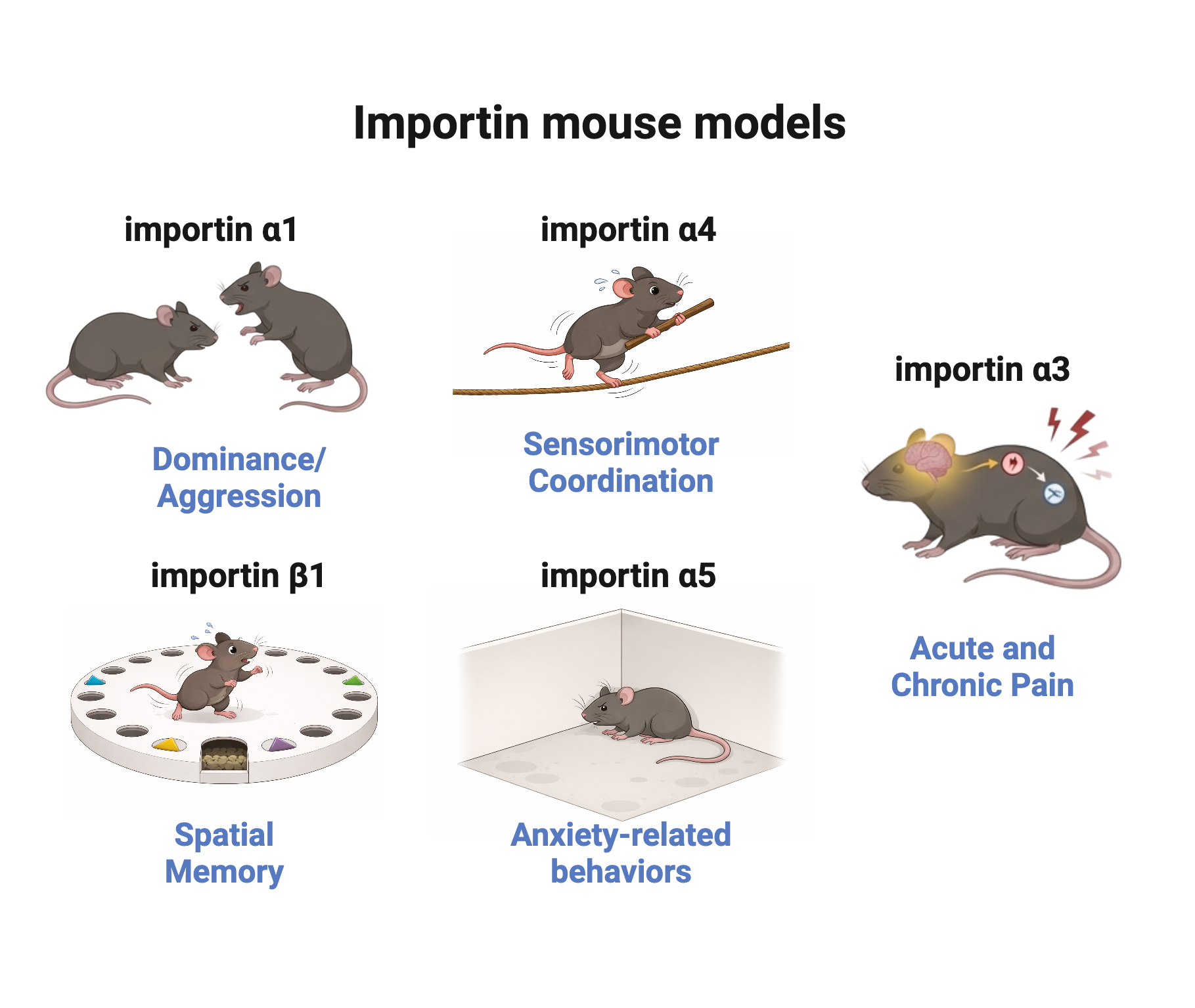
MeCP2 levels in the nucleus must also be tightly controlled, since both too little and too much cause disease. We identified key importin-transcription factor interactions, such as importin α5 with MeCP2, suggesting a nuclear transport mechanism regulating MeCP2 abundance. We aim to characterise this transport, combining behavioural analyses and in vivo imaging, in order to precisely titrate MeCP2 levels and refine future gene therapies.